Knowledge Share
Karate protective equipment: a beginner’s checklist
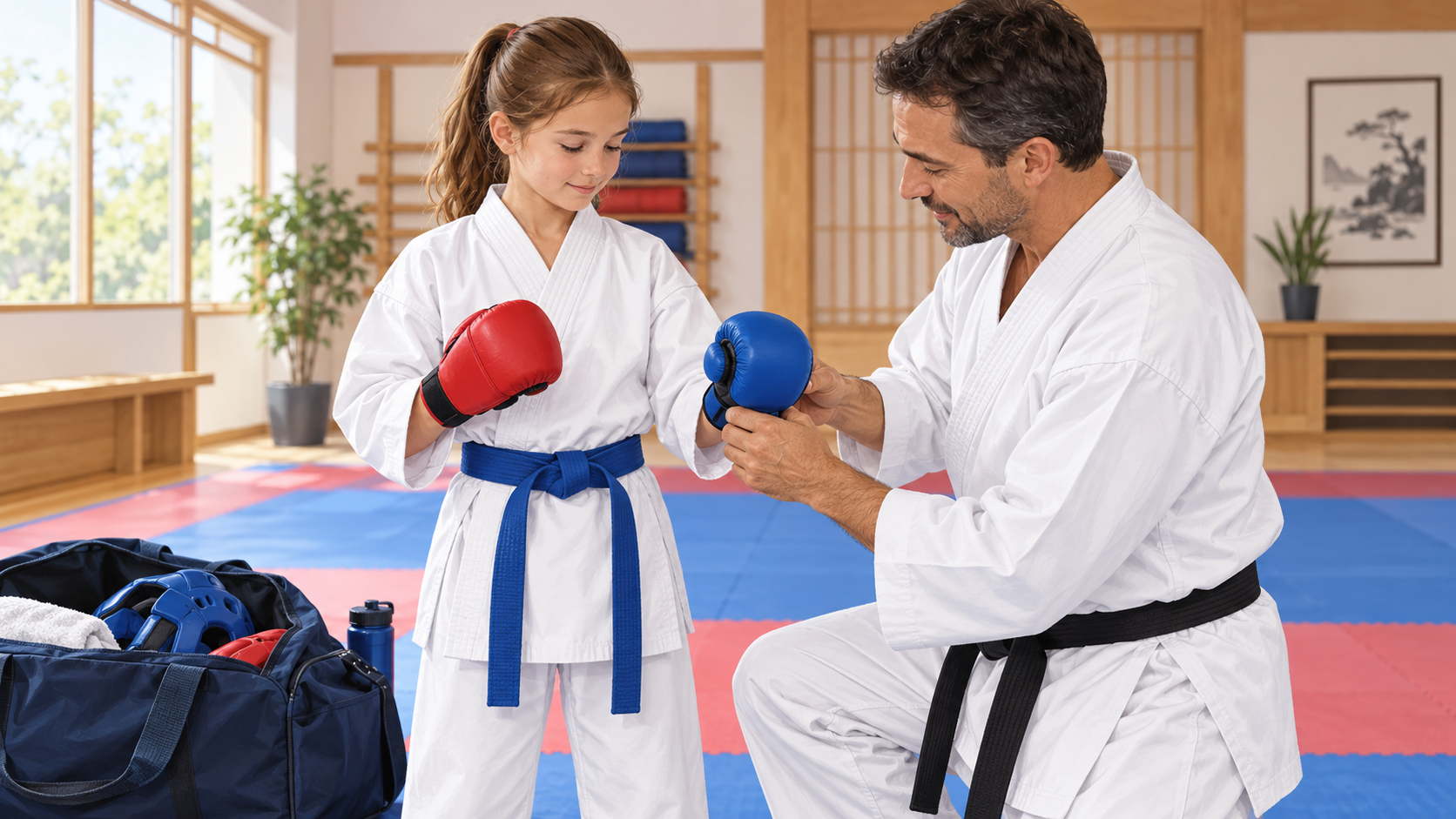
Who this guide is for
This guide is for parents, beginners and recreational karateka who are unsure what protective equipment they may need. It explains the common items named in World Karate Federation competition rules, but it is not a universal shopping list: clubs, styles and organisers can set different requirements.
Quick answer
Before buying anything, ask your instructor which items are needed for your class or event and whether a particular approval standard applies. For WKF-style kumite, the BKF-hosted rules list approved mitts, a gum shield, body protection, shin pads and foot protection as compulsory, with additional requirements for some competitors. Those rules are event-specific—not a blanket rule for every UK dojo. BKF-hosted WKF rules
The main items to check
- Mitts or gloves: confirm the type, colour and approval required by the organiser.
- Gum shield: ask whether one is required for your age group or activity and make sure it is comfortable and secure.
- Body protection: some competition rules require an approved body protector; your instructor can explain what your event accepts.
- Shin and foot protection: check whether both are required and whether red/blue versions are needed for competition.
- Fit and condition: fastenings should work, the equipment should sit securely, and worn or damaged items should be replaced.
Training equipment versus competition equipment
A beginner’s regular class may use little or no personal protective equipment, depending on the exercises and the instructor’s supervision. A sanctioned competition can be more prescriptive. The EKNGB’s published training information, for example, asks eligible athletes to bring all WKF-approved protective equipment and red and blue competition belts for national-team sessions. EKNGB training information
A simple buying and packing checklist
- Ask the instructor or organiser for the exact list and approval requirements.
- Check sizing while wearing the clothing you will train in; equipment should not restrict normal movement or breathing.
- Test straps, fasteners and closures before leaving for class or competition.
- Pack a clean kit and inspect it again after training for damage or fit problems.
Safety and when to ask for help
Protective equipment reduces some risks but cannot make contact training risk-free. Stop and tell your instructor if equipment feels unsafe, causes pain, slips, blocks breathing or has damage. For a child with a medical condition, dental appliance or previous injury, ask the child’s clinician and instructor for individual guidance; this guide does not diagnose or treat injuries.
When to check the organiser or instructor
Check before every competition, grading or special course if the event has published rules, a bulletin or a kit colour requirement. Organisations can update approved equipment lists, and a club’s normal training practice may not match a tournament’s rules. If the answer is unclear, wait and ask rather than buying a full set based on a generic online list.
Sources
British Karate Federation — WKF Competition Rules PDF; English Karate National Governing Body — England team training
Last checked: 2 October 2026. Requirements can change; confirm the current rules with your organisation or event organiser.